Section V of 9
Steampunk art and making
Six guides to looking at steampunk art and making your own: drawing, robots and creatures, real cogs and gears, props, and backgrounds and fonts. Start with the gears: choose two and watch them turn.
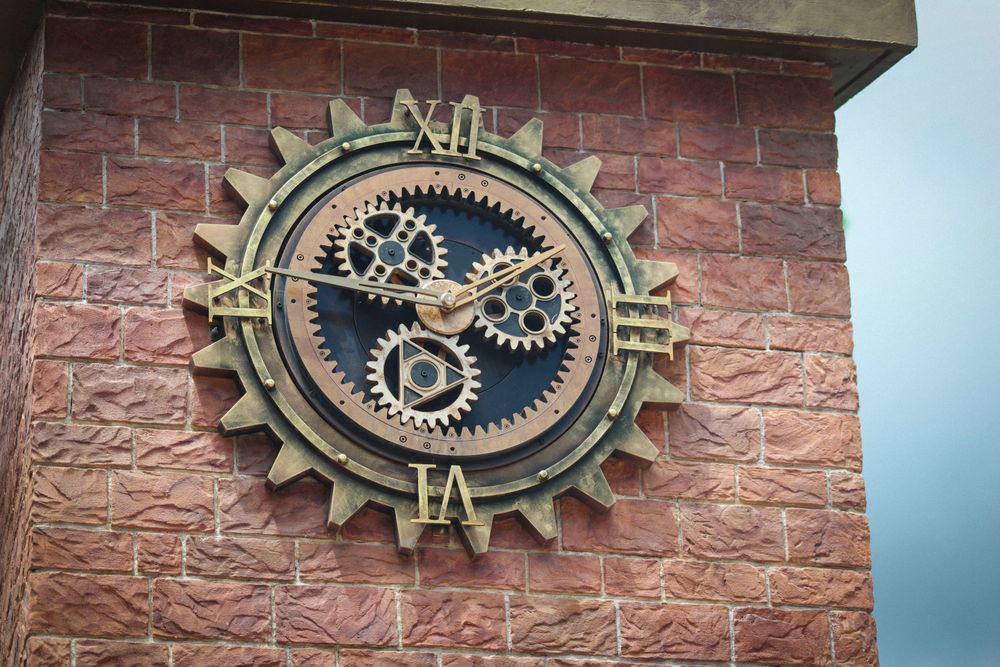
How a gear works
Turn the gears
Choose the gear that drives and the gear it turns. They mesh, turn for four seconds at their true speeds, and the rule is said underneath.
The driving gear
The driven gear
Two gears of 10 teeth turn at the same speed, in opposite directions: when one turns clockwise, the other turns anticlockwise.
The 10-tooth gear has to turn twice for every single turn of the 20-tooth gear. What is lost in speed is gained in force: the large gear turns more slowly, with about twice the turning force, less a little lost to friction.
The 10-tooth gear has to turn four times for every single turn of the 40-tooth gear. What is lost in speed is gained in force: the large gear turns more slowly, with about four times the turning force, less a little lost to friction.
Turned round, with the large gear driving: the 10-tooth gear spins twice as fast as the 20-tooth gear driving it, with less force.
Two gears of 20 teeth turn at the same speed, in opposite directions: when one turns clockwise, the other turns anticlockwise.
The 20-tooth gear has to turn twice for every single turn of the 40-tooth gear. What is lost in speed is gained in force: the large gear turns more slowly, with about twice the turning force, less a little lost to friction.
Turned round, with the large gear driving: the 10-tooth gear spins four times as fast as the 40-tooth gear driving it, with less force.
Turned round, with the large gear driving: the 20-tooth gear spins twice as fast as the 40-tooth gear driving it, with less force.
Two gears of 40 teeth turn at the same speed, in opposite directions: when one turns clockwise, the other turns anticlockwise.
From our guide to cogs, gears and machines.
Section V
Every art and making guide
In the order they are best read. Each one is long enough to answer the question properly, with every fact checked and its source listed at the foot.
- 28Steampunk Art and ArtistsSteampunk art and artists: the Victorian engravings and blueprints behind the look, painting, digital art, sculpture, comics, where to see the real things, and copyright.About 14 min
- 29How to Draw SteampunkHow to draw steampunk step by step: the pencils and tools to start with, gears and cogs, pipes, rivets and gauges, a figure, machines and airships, and shading metal.About 13 min
- 30Steampunk Robots, Animals and InsectsSteampunk robots, animals and insects: the real automatons that came first, mechanical men in old stories, how to design creatures, and making one safely at home.About 13 min
- 31Cogs, Gears and MachinesSteampunk cogs, gears and machines explained: how gears work, the main kinds, clockwork, steam engines, using real gears safely, and where to see working machines in Britain.About 14 min
- 32Making Steampunk Props SafelyMaking steampunk props safely: planning, foam, card, wood and metal, using tools, painting brass and rust, lights and batteries, and what UK law says about prop guns and blades.About 14 min
- 33Steampunk Wallpaper, Backgrounds and FontsSteampunk wallpaper, backgrounds and fonts: Victorian wallpaper patterns and colours, screen backgrounds, Victorian typefaces, copyright and licences, and making your own designs.About 13 min
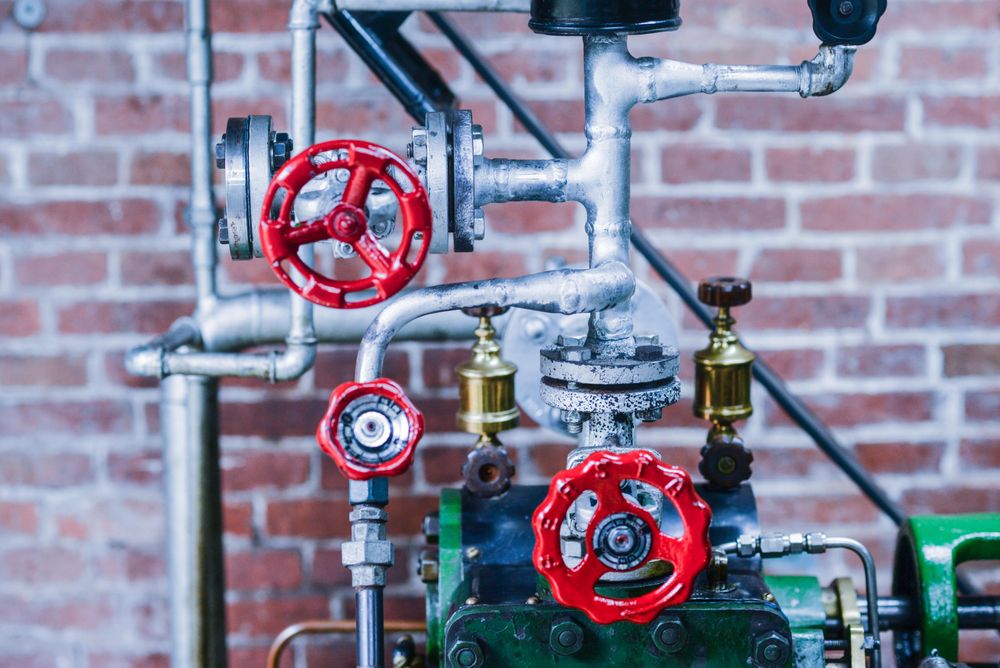


Making safely
Before you start
One line from each making guide that is worth reading before the first cut.
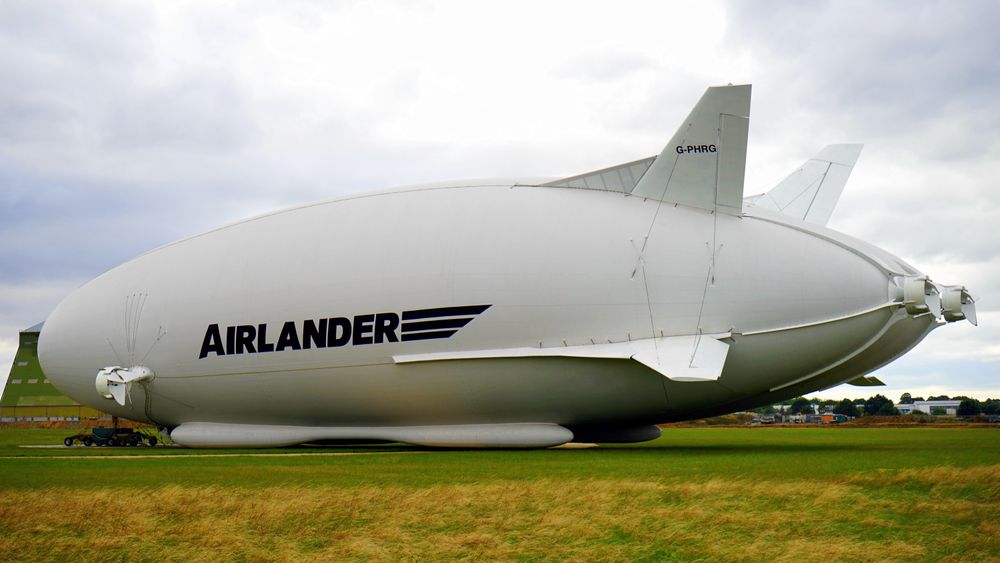
Everything on Steampunks
The contents
Nine sections and fifty-three guides.
- IWhat steampunk isThe meaning, the look, where it came from, and how it differs from Gothic and Victorian.
- IIFashion and costumeWomen's and men's outfits, a costume on a budget, Halloween, a steampunk wedding.
- IIIHats, goggles and accessoriesGoggles, top hats, masks, corsets, waistcoats, coats, watches, jewellery, boots.
- IVHome and decorLamps and lighting, clocks, furniture and ornaments, and a whole room in the style.
- VArt and makingYou are here. Steampunk art and artists, how to draw it, robots and creatures, cogs and gears, props.
- VIFilms, TV, games, books and musicThe films, the animation, the games, Minecraft builds, the books and the music.
- VIISteampunk events in the UKWhere steampunks gather, with the dates from each organiser's own site.
- VIIIAirships and machinesSteampunk airships, and the real ones that went before them.
- IXThe Victorian world behind itVictorian fashion, London, architecture and the Gothic Revival.